There are different environmental impacts for the food on your plate. Food requires energy and water to grow and transport, so eating seasonal and local food can help reduce your food footprint. Reducing food waste also makes a huge impact on your household sustainability!
Food Wastage
Every year on an average 7.6 million tonnes of food is wasted in Australia equalling to 312 kg per person worth around $2,000-$2,500 per household per year.
Food waste has a range of hidden costs, including:
The water used for growing the food.
The land cleared to grow the food.
The resources such as fertilisers used to grow the food.
The greenhouse gases released during the production cycle.
The fuel used to transport the food from paddock to plate.
The storage emissions used to keep the food fresh.
The greenhouse gas emissions from the food breaking down.
Did you know Australians throw away
0 million
tonnes of food every year?
Equivalent to 312kg per person, worth around $2000-$2,500 per year.
Tips to Cut Food Waste
GROW YOUR OWN
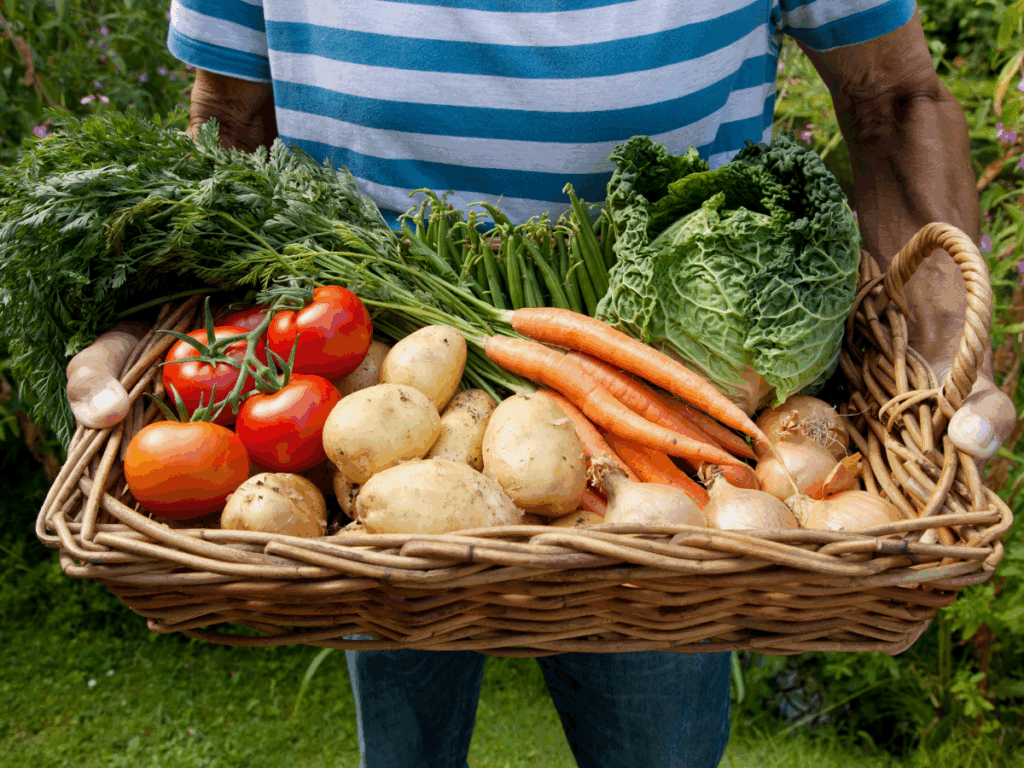
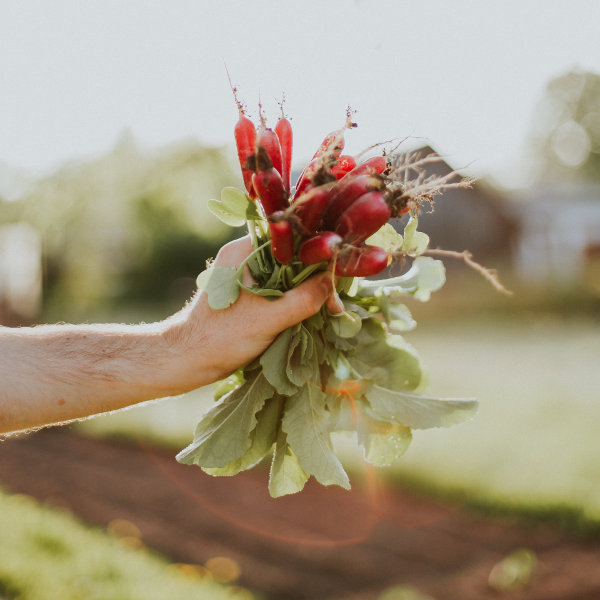
Whether you have a small balcony or a sprawling backyard, there is space to grow food. Herbs in boxes, fruit trees in pots or a big veggie plot. If you don’t know where to start, contact your local community garden, you could lease a plot or just learn from the experts.
BUY LOCAL & SEASONAL
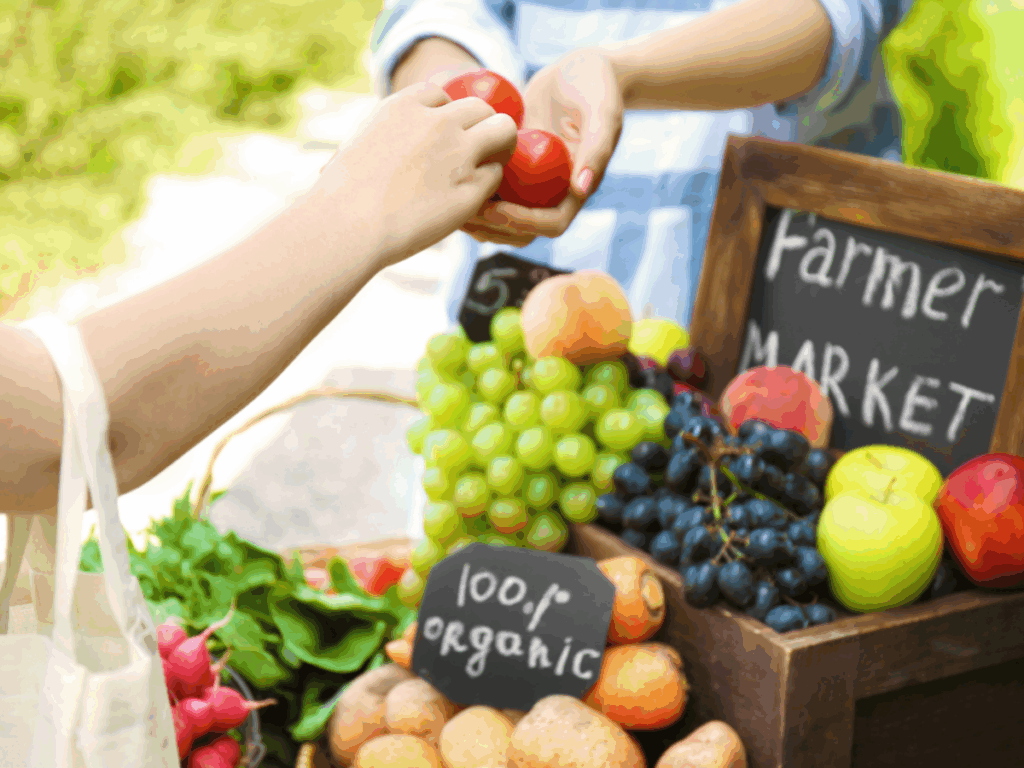
Locally grown food reduces the emissions associated with transport across the country or the world. Food produced in season locally will be naturally more delicious. Seasonal produce should also be cheaper because it’s in abundance.
PLAN YOUR MEALS
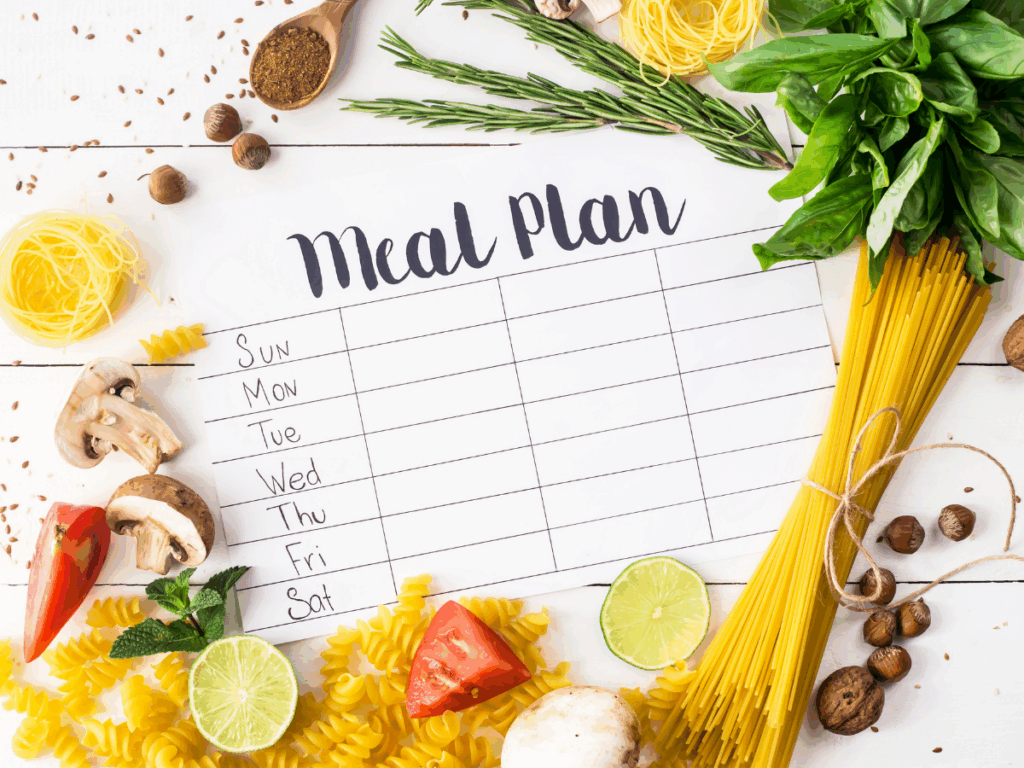
Only buy what you need! Planning your meals reduces food spoilage and wastage and it’s a great way to save money. Shop to a list and check the cupboard and fridge before you leave the house.
STORE FOOD CORRECTLY
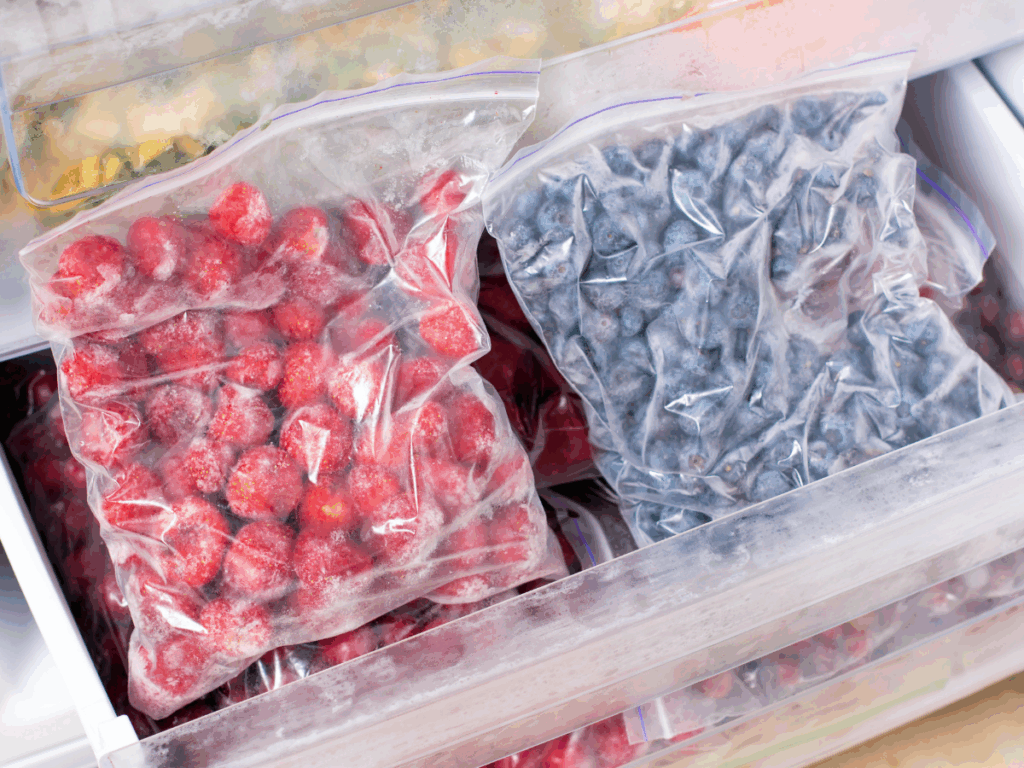
You’ve planned your meals and shopped to a list; now ensure you store your food correctly so it doesn’t spoil before you use it.
CHECK EXPIRY DATES REGULARLY
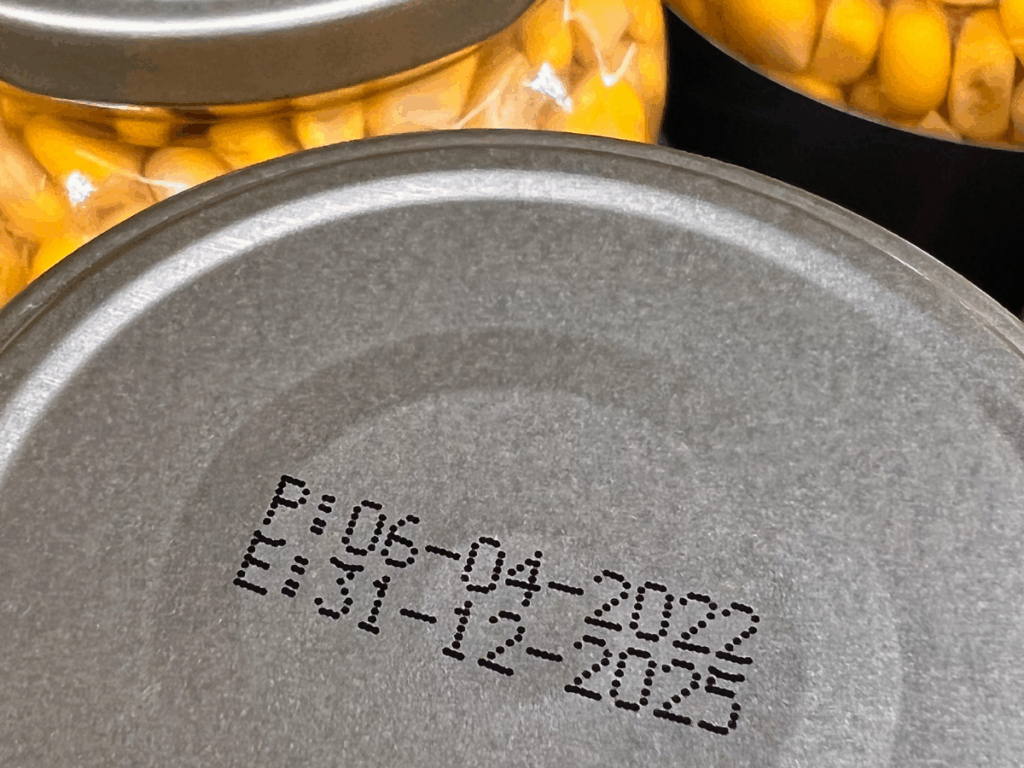
Keep an eye on when the food in your pantry and fridge are set to expire. Plan to eat them before they spoil or freeze them for future use. Note that ‘Use Before’ and ‘Best Before’ are two separate terms; food does not necessarily need to be thrown out after a ‘Best Before’ date if they are still edible especially fruit, vegetables and dry ingredients.
EAT ALL THE BITS
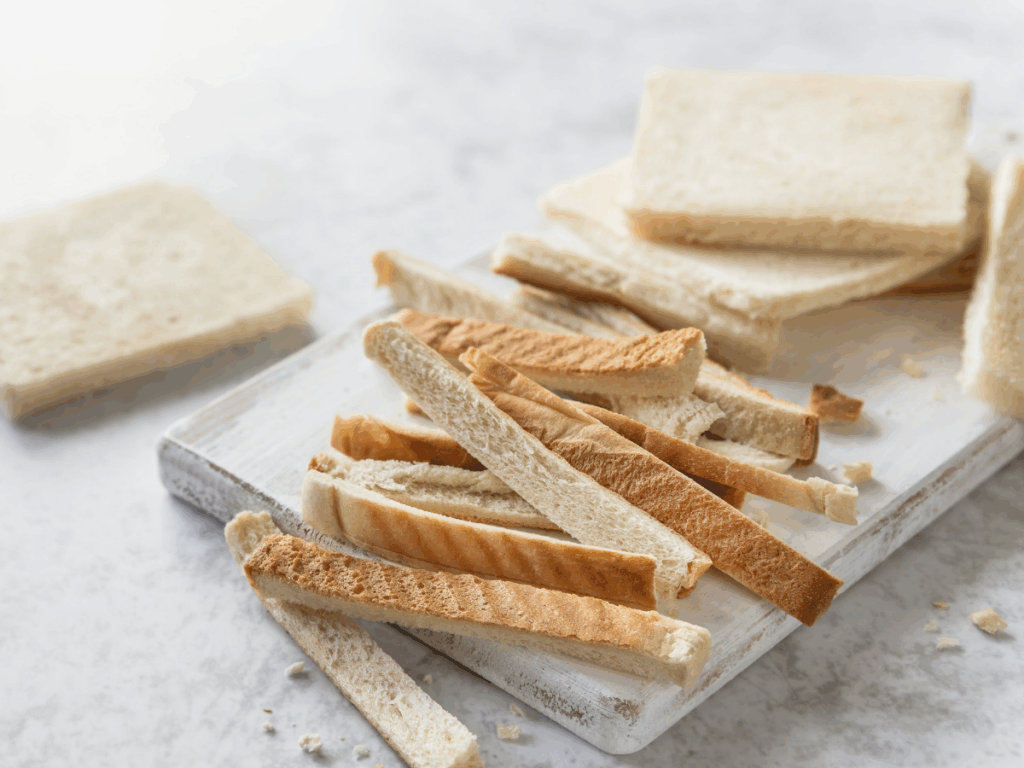
Bread crusts broccoli stalks, beetroot leaves and potato skins are often chopped off and thrown away, but they’re perfectly fine to eat directly or used as an ingredient to the recipe.
MAKE LEFTOVERS LAST
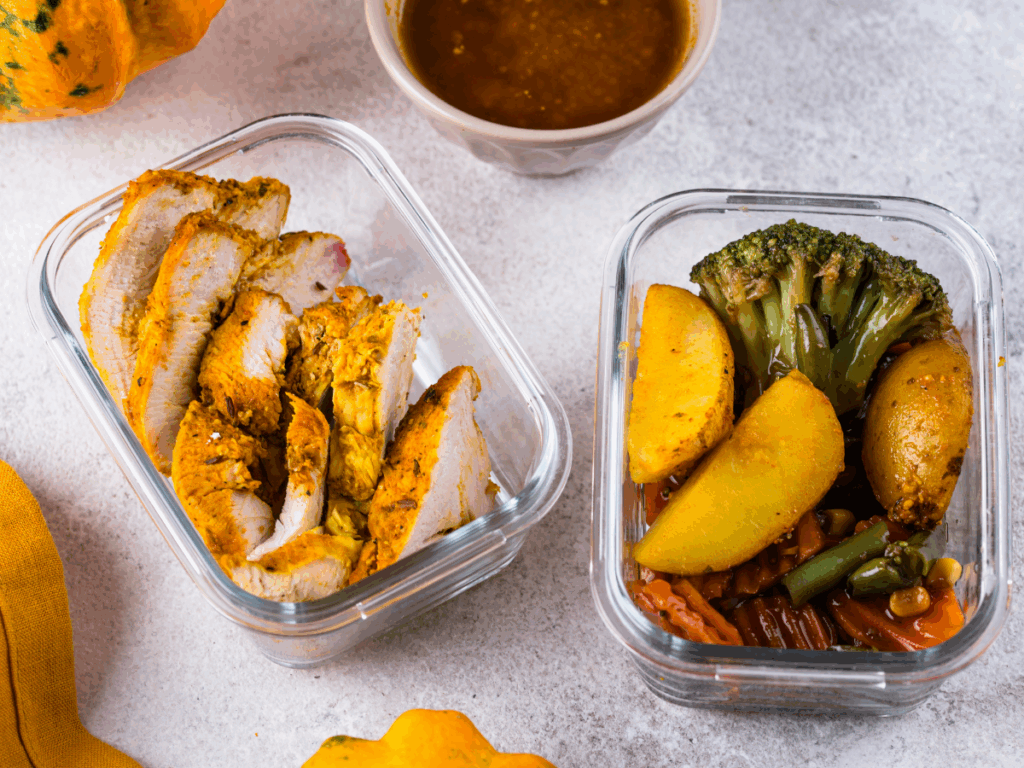
Leftovers are a great resource, whether re-invented for a meal the next day or frozen for a few weeks’ time, don’t let them go to waste. Alternatively, plan your portions to eliminate leftovers altogether.
GET INVENTIVE ABOUT FOOD
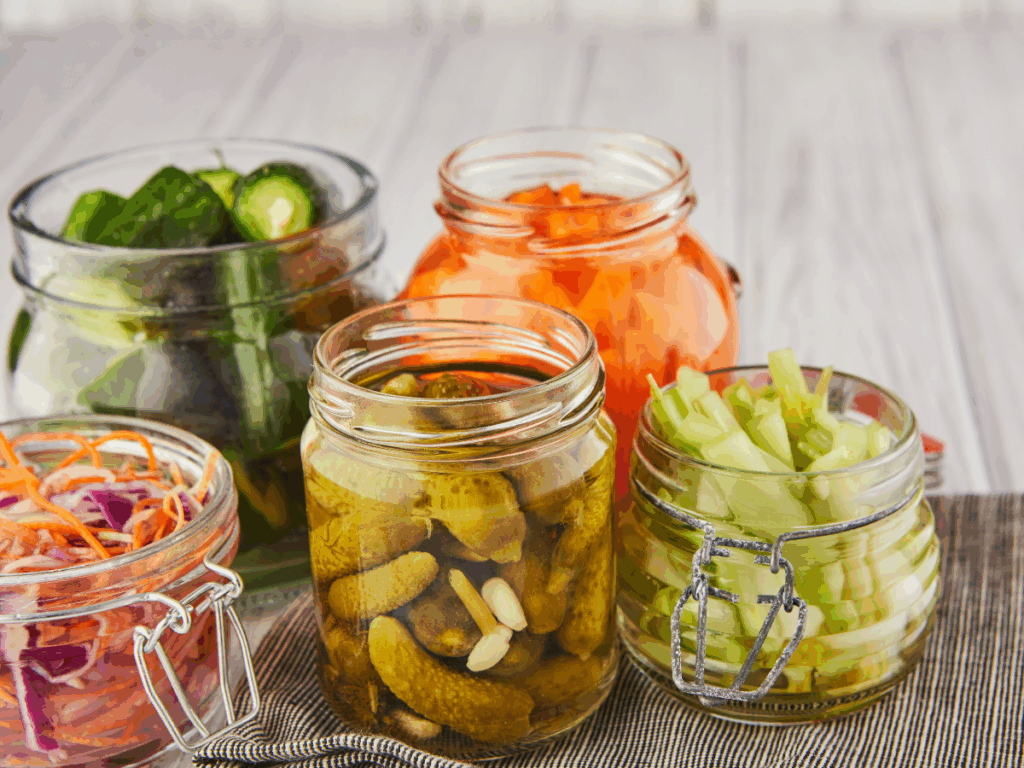
There are lots of creative ways to save your food, preserve them in different forms such as stocks, jams, pickles, or soups or dehydrate it.
COMPOST THE REAL FOOD WASTE
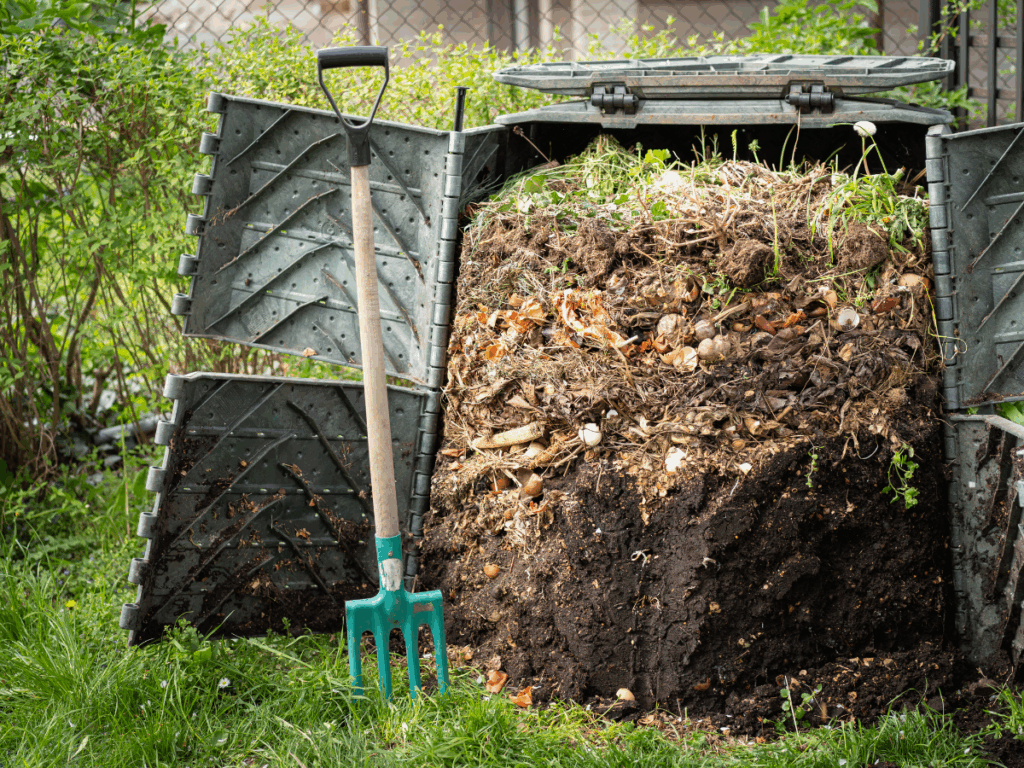
Food waste should go back to the soil for more food production and to close the loop of nutrients contained in them. Food waste currently accounts for about half of all rubbish that is sent to landfill in Australia. Food waste can be fed to chickens, composted or dug into the garden soil. Aim for no food waste going in the council collection bin!
Switch to Urban Food Production
Be creative – convert all spaces available to a garden.
Use different methods- hydroponics, vertical gardening, container planting.
Make gardening a daily activity - improves mental and physical health .
Get everyone involved – social development and improves family bonding.
Recycle and reuse – urban gardens can recycle organic waste.
Repurpose household items as planting pots.
Learn from each other and share the produce.
Other Ways to Switch
Learn about more ways you can switch your thinking and live a more sustainable lifestyle.